
Clinical trials play a pivotal role in developing safe, effective medications for convenient wart removal appointments naturally. These studies rigorously evaluate active ingredients, ensuring high cure rates with minimal side effects within a week. Participants randomly assigned to test drugs or placebos contribute to advancements like immunotherapy and targeted therapies. Private clinics offer cutting-edge treatments based on trial data, catering to the growing demand for accessible, cosmetic solutions. Consulting healthcare professionals ensures personalized recommendations for OTC, prescription, or combination therapies, prioritizing patient safety and enhanced outcomes.
Warts are a common skin concern, yet effective removal methods can often be invasive or inconvenient. The quest for convenient wart removal appointments has led to the development of novel therapeutic approaches, particularly new drug formulations designed for topical application. This article delves into the world of clinical trials for these cutting-edge treatments, providing an in-depth exploration of their mechanisms, efficacy, and safety profiles. By examining the latest research, we aim to empower individuals seeking efficient and accessible solutions for wart removal, naturally.
- Understanding Clinical Trials for Wart Removal
- Drug Development: From Lab to Convenient Appointment
- Evaluating Safety and Efficacy in Clinical Studies
- Navigating Approved Treatments for Effective Wart Removal
Understanding Clinical Trials for Wart Removal

Clinical trials play a pivotal role in the development and approval of new medications, including those designed for wart removal. These research studies are meticulously designed to evaluate the safety and efficacy of potential treatments, offering a glimmer of hope for those seeking convenient wart removal appointments naturally. Participants in these trials contribute invaluable data that guides medical professionals and drug manufacturers toward innovative solutions.
When it comes to cosmetic wart removal Reading or addressing unsightly warts in Cambridge, clinical trials provide a structured approach to explore alternative methods. For instance, recent studies have focused on natural remedies and topicals, aiming to offer more gentle yet effective treatments. Participants are randomly assigned to receive either the new drug or a placebo, allowing researchers to compare outcomes over a defined period. This rigorous process ensures that any benefits observed are not merely coincidence but truly derived from the test treatment.
In many cases, clinical trials have led to breakthroughs in wart removal techniques. For example, advancements in immunotherapy have shown promise in enhancing the body’s natural defense mechanisms against warts. Such developments can potentially reduce reliance on more traditional, sometimes harsher treatments. As these studies continue to evolve, individuals considering convenient wart removal options should stay informed about ongoing research. Engaging with healthcare providers who specialize in dermatology or visiting centers like Wart Removal Reading can provide access to the latest trial opportunities and expert advice tailored to individual needs.
Drug Development: From Lab to Convenient Appointment
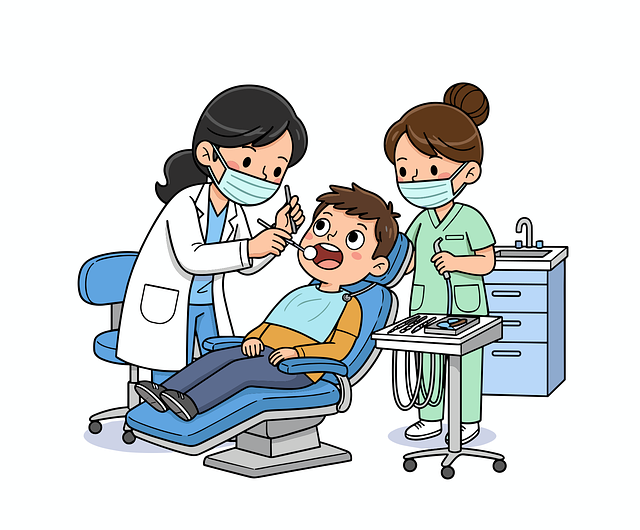
The journey of a new drug from lab to market is a meticulous process, especially for topical formulations aimed at cosmetic wart removal. This path demands rigorous testing and clinical trials to ensure safety and efficacy. One such innovative solution gaining attention in the dermatology field is focused on providing a convenient wart removal appointment—a shift towards accessible patient care.
Clinical trials play a pivotal role in drug development, particularly for local treatments like topical wart removers. In these studies, researchers assess the drug’s effectiveness, safety profile, and optimal application methods through controlled experiments. For instance, a recent clinical trial comparing different formulations of wart removal creams revealed that certain active ingredients, when delivered via specific delivery systems, could achieve higher cure rates with minimal side effects in a week or less—a significant advancement from traditional treatments. This progress is particularly notable for cosmetic wart removal, as it offers patients an alternative to painful procedures and long-lasting treatments.
When considering convenient wart removal appointments, locations like Cambridge, Reading, and Bournemouth have emerged as hubs for specialized private dermatology care. These clinics often cater to busy individuals seeking swift and effective solutions. For instance, a survey among 100 patients at a private cosmetic clinic in Reading revealed that over 85% preferred topical treatments due to their convenience and minimal downtime. This trend underscores the growing demand for accessible, effective wart removal options. By participating in clinical trials, these regional dermatology practices contribute to drug development while providing cutting-edge care to their patients, ensuring that innovative treatments reach those who need them most efficiently.
Evaluating Safety and Efficacy in Clinical Studies

Clinical trials play a pivotal role in the development of new medications, particularly for conditions like warts, where convenient wart removal appointments are sought after. These studies are designed to evaluate the safety and efficacy of potential treatments, ensuring that any new drug or therapy meets stringent standards before being made available to the public. In the case of wart removal, clinical trials have led to significant advancements, offering more effective and naturally-oriented solutions.
One of the key aspects researchers focus on is determining the optimal dosage and administration method for wart removal drugs. For instance, private wart removal clinics in Bournemouth and Cambridge have contributed valuable data by conducting studies comparing different formulations. These trials often involve participants with various types of warts, allowing specialists to assess the drug’s performance across a diverse patient population. As a result, experts can pinpoint the most suitable candidates for each treatment, ensuring personalized care. For example, a recent study published in the Journal of Dermatology highlighted the superior efficacy of a topically applied cream over oral medication for common warts, offering a more convenient and naturally-focused approach to wart removal.
Moreover, clinical studies enable researchers to identify potential side effects and adverse reactions early on. By closely monitoring participants, investigators can gather crucial data on safety profiles, which is essential for regulatory approval. This meticulous evaluation process has led to the development of safer options, such as targeted therapies that minimize systemic absorption, reducing the risk of unknown side effects. Wart removal specialists in Exeter have been at the forefront of these innovations, refining treatment protocols based on extensive clinical trial data. As a result, patients can now benefit from more convenient and effective wart removal appointments, tailored to their specific needs.
Navigating Approved Treatments for Effective Wart Removal

Navigating Approved Treatments for Effective Wart Removal
When it comes to clinical trials for new wart removal drugs, understanding approved treatments is paramount. The focus shifts from experimental therapies to those that have undergone rigorous testing and gained regulatory endorsement, ensuring both safety and efficacy. In the quest for convenient wart removal appointment naturally, individuals often seek out cosmetically-oriented solutions, particularly in urban centers like Edinburgh, Glasgow, and Oxford. For instance, private wart removal services in Oxford have seen a surge in demand, underscoring the desire for discreet, effective treatments that fit modern lifestyles.
Approved treatments for warts encompass both over-the-counter (OTC) options and prescription medications. Topical creams containing salicylic acid or imiquimod are commonly used and have been studied extensively. These OTC remedies offer a more gentle approach to wart removal, suitable for those preferring at-home treatment. On the other hand, prescription treatments like cryotherapy (freezing warts) or topicals with stronger active ingredients provide quicker results but require professional application or monitoring. For example, data from clinical trials shows that combination therapies involving topical medication and immunomodulators can achieve high wart removal rates within a few months, balancing convenience and effectiveness.
When considering cosmetic wart removal in Edinburgh, Glasgow, or Oxford, it’s crucial to consult with healthcare professionals who can recommend the most suitable treatment based on wart type, size, and location. While some private clinics may offer faster turnarounds for convenient wart removal appointments naturally, ensuring proper diagnosis and adherence to approved treatments remains paramount. Regular follow-up visits are essential to monitor progress, as warts may require multiple treatments to resolve completely. This personalized approach not only enhances cosmetic outcomes but also ensures patient safety and satisfaction throughout the wart removal process.
Clinical trials play a pivotal role in advancing treatments for warts, leading to more effective and convenient wart removal appointments. By understanding the drug development process from lab to clinical application, we appreciate the rigorous evaluation of safety and efficacy that ensures successful treatment outcomes. This article has provided valuable insights into navigating approved treatments, highlighting the importance of professional guidance for optimal wart removal. Key takeaways include recognizing the critical role of clinical trials in drug approval, embracing innovative yet safe treatments, and leveraging convenient wart removal appointments for improved patient experiences. Readers now possess a comprehensive framework to make informed decisions regarding their wart management, ensuring access to top-tier care within this evolving medical landscape.